The world is changing at an unprecedented pace, and with it, the very fabric of education is being rewoven. Far from the traditional rows of desks and chalkboards, today's classrooms- virtual, hybrid, and reimagined physical spaces are vibrant hubs of innovation, grappling with new technologies, evolving pedagogies, and a renewed focus on holistic development. For students, parents, and educators alike, understanding these shifts isn't just beneficial; it's essential for navigating the learning journey ahead.
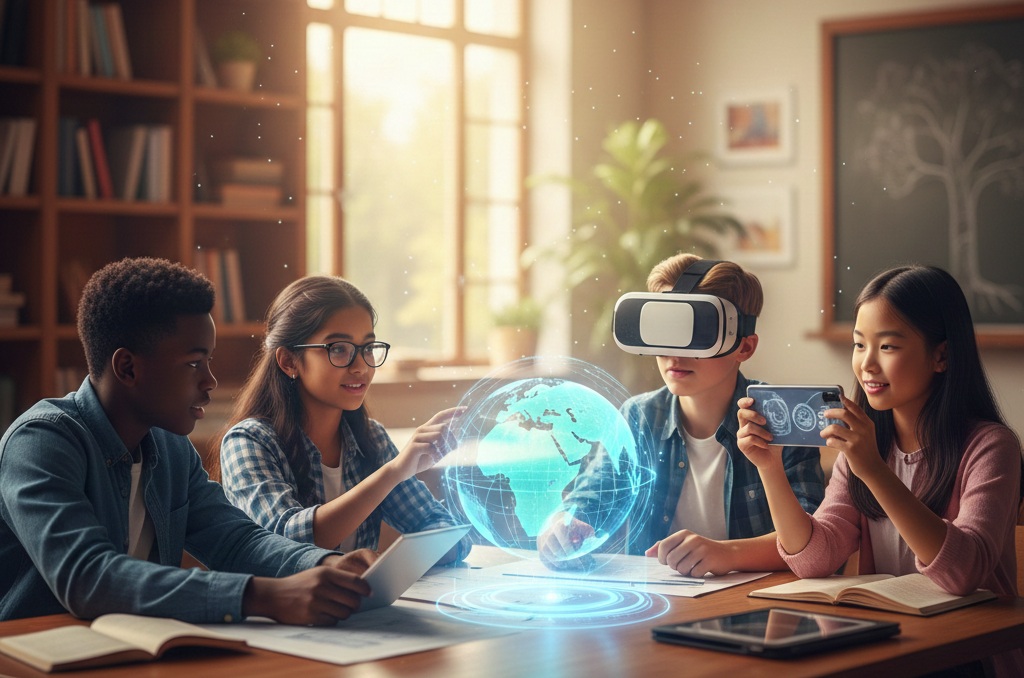
One of the most profound trends is the continued acceleration of digital integration. The pandemic forced a global experiment in online learning, and while it presented challenges, it also unveiled immense possibilities. We're seeing a move beyond simply porting textbooks to screens; instead, educators are leveraging Artificial Intelligence (AI) for personalized learning paths, Virtual Reality (VR) for immersive experiences, and Augmented Reality (AR) to bring abstract concepts to life. Imagine dissecting a virtual frog in biology without the mess, or exploring ancient Rome from your living room. This isn't science fiction; it's the reality in many forward-thinking institutions.

However, the digital revolution also brings critical discussions about the digital divide and equitable access. As technology becomes more central, ensuring every student has reliable internet access and appropriate devices is paramount. Governments and educational bodies are increasingly prioritizing initiatives to bridge this gap, recognizing that digital literacy is no longer a luxury but a fundamental skill.
Beyond technology, there's a significant shift towards skills-based learning over purely content-driven instruction. Employers consistently highlight the need for graduates with critical thinking, problem-solving, creativity, collaboration, and communication skills often dubbed "21st-century skills." Educational curricula are being redesigned to foster these competencies, moving away from rote memorization towards project-based learning, inquiry-based approaches, and real-world applications. This approach not only makes learning more engaging but also better prepares students for a dynamic job market where adaptability is key.
Another burgeoning trend is the emphasis on social-emotional learning (SEL). Recognizing that academic success is deeply intertwined with emotional well-being, schools are integrating programs that teach self-awareness, self-management, social awareness, relationship skills, and responsible decision-making. From mindfulness exercises to conflict resolution strategies, SEL helps students develop resilience, empathy, and the ability to navigate complex social situations – invaluable life skills that extend far beyond the classroom.
The concept of the "classroom" itself is also evolving. Hybrid learning models, combining in-person and online instruction, are becoming increasingly common, offering flexibility and catering to diverse learning styles. Furthermore, there's a growing recognition of lifelong learning – the idea that education doesn't stop after graduation but is a continuous process of acquiring new knowledge and skills throughout one's career and life. Micro-credentials, online courses, and professional development programs are flourishing, empowering individuals to stay relevant in a rapidly changing world.
Finally, a critical conversation around assessment reform is underway. Traditional standardized tests are being re-evaluated for their effectiveness in truly measuring a student's capabilities and growth. There's a push towards more authentic assessment methods, including portfolios, presentations, performance tasks, and even AI-powered adaptive assessments that provide real-time feedback and tailor challenges to individual progress.
Navigating this evolving educational landscape requires a collaborative effort from all stakeholders. For students, it means embracing curiosity and adaptability. For parents, it involves engaging with new technologies and understanding the changing goals of education. For educators, it demands continuous professional development and a willingness to innovate. The classroom of tomorrow isn't a distant dream; it's being built today, brick by digital brick, ensuring that the next generation is not just informed, but empowered to thrive in an unpredictable future.